
The Rain Plan Every Outdoor Wedding Needs
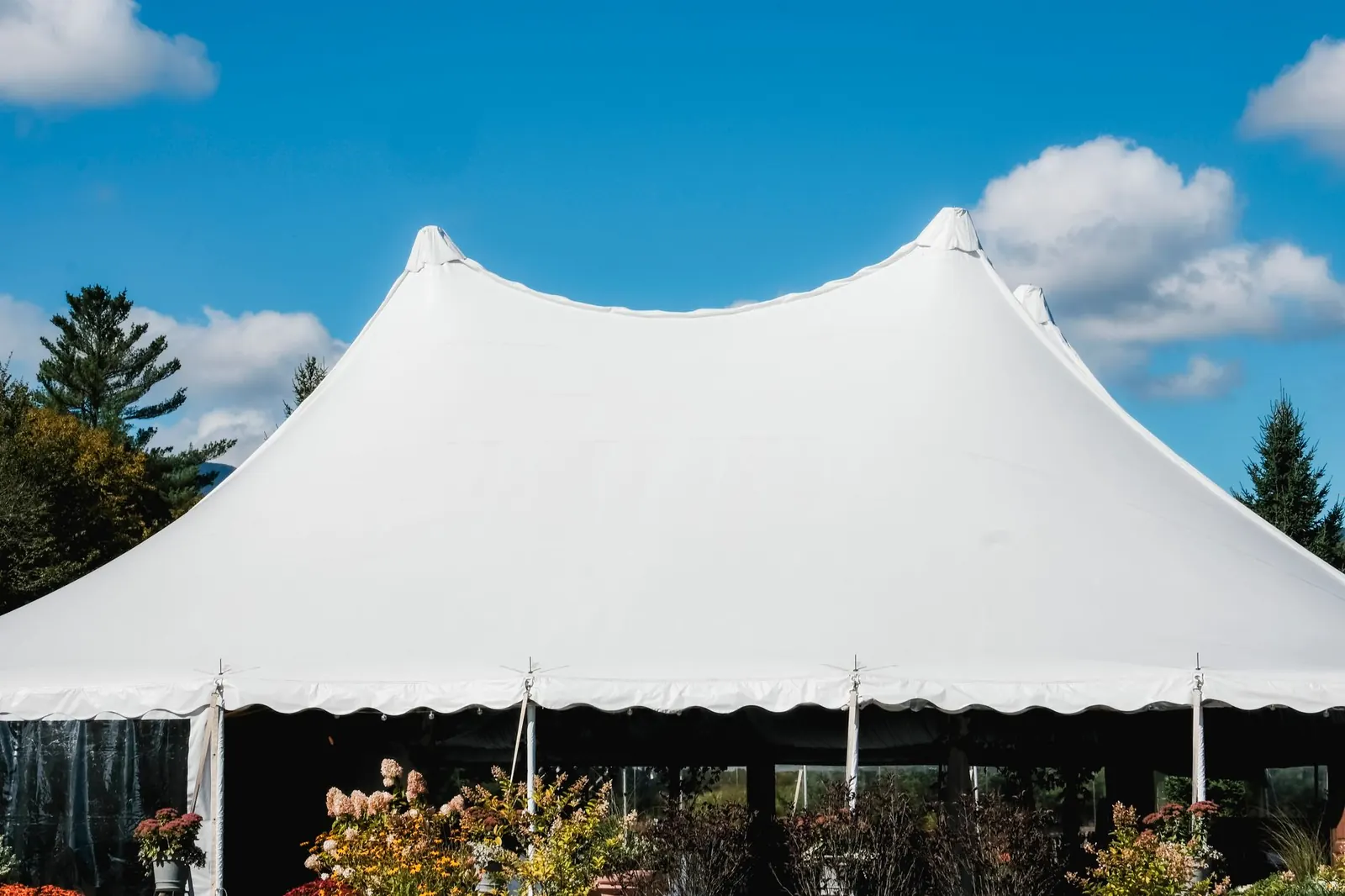
An outdoor wedding needs a real indoor, or under-cover, version of itself, decided months in advance, that both people would genuinely be happy with. Not a grudging fallback. A plan good enough that if it rains, nobody spends the day mourning the tent that didn't happen.
Why the decision has to happen early
The rain plan almost always fails when it gets treated as an afterthought: a vague agreement that 'we'll move things inside if it rains,' decided at the initial venue tour and never revisited. Inside where, exactly? Does that space fit the full guest count with a dance floor? Has anyone actually checked?
A real rain plan gets designed with the same care as the primary plan, including its own layout, its own timeline adjustments, and its own vendor confirmations, ideally before contracts get signed rather than scrambled together the week of.
The decision nobody wants to make
The hardest part isn't designing the plan. It's deciding who calls it, and when. Waiting until the morning of to decide indoor versus outdoor sounds flexible in theory and is a logistical nightmare in practice, because caterers, florists and rental companies all need lead time to execute either version properly.
Most experienced coordinators push for a firm decision point 24 to 48 hours out, based on an actual forecast rather than a gut feeling, with a single person (usually the coordinator, sometimes a parent) authorized to make the final call so it isn't relitigated by six people in a group text at 6am.
What a tent actually solves, and what it doesn't
A tent is not automatically a rain plan. A tent with no sides, on a sloped lawn, with a dance floor that turns into a skating rink the moment water gets under the edges, is arguably worse than moving everything indoors. If a tent is the plan, it needs solid or clear walls, actual flooring, and a real plan for keeping water out from underneath, not just overhead.
It's also worth asking specifically about wind. A tent that can handle rain can still be genuinely dangerous in high wind, and many rental companies have their own thresholds for when they'll refuse to set one up at all, which is exactly the kind of detail you want to know weeks ahead of the wedding, not the morning of.
The guests will remember how it felt, not whether it rained
The weddings that survive a rainy day well are almost never the ones where nature cooperated. They're the ones where the backup plan was built with real intention, so guests walked into a room that felt chosen rather than salvaged. Nobody at a good rain-plan wedding spends the night talking about the weather. They spend it exactly the way they would have outdoors, just under a different roof.